
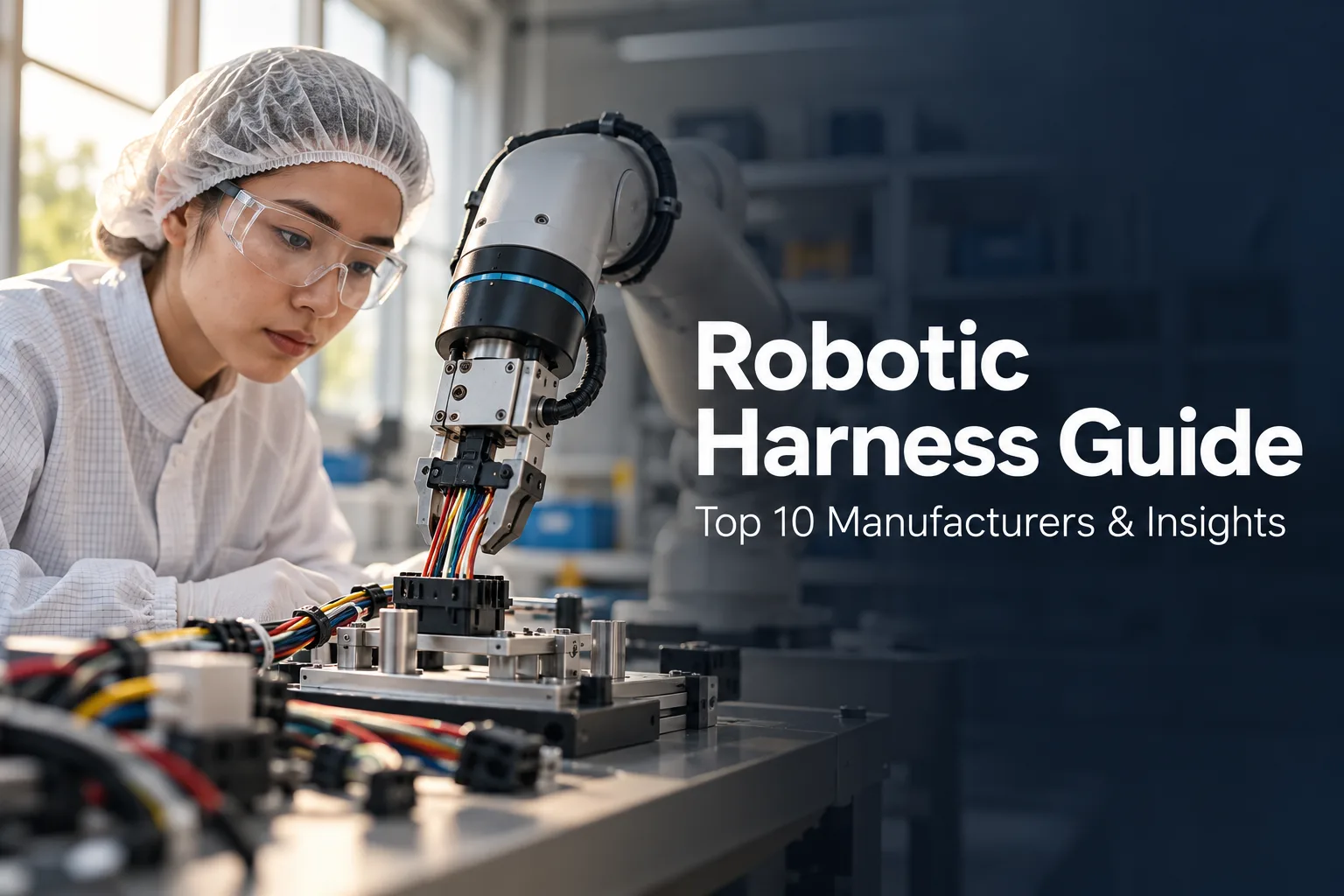
The Critical Role of Wiring Harnesses in Modern Automation
Robotic systems and automated production lines depend on reliable power and data transmission. Every actuator, sensor, and controller is connected through a network of cables that must endure constant flexing, heat, and electromagnetic interference. A well-designed wiring harness is not an afterthought — it is the nervous system of the machine. Choosing the right partner to supply these assemblies directly affects uptime, safety, and total cost of ownership.
The market for custom cable assemblies has grown alongside advances in collaborative robots, autonomous guided vehicles, and high-speed packaging equipment. Manufacturers that produce harnesses specifically for robotic applications understand the unique demands of dynamic motion, tight bend radii, and harsh industrial environments. Below is a curated list of ten companies that have established themselves as reliable sources for robotic and automation wiring solutions.
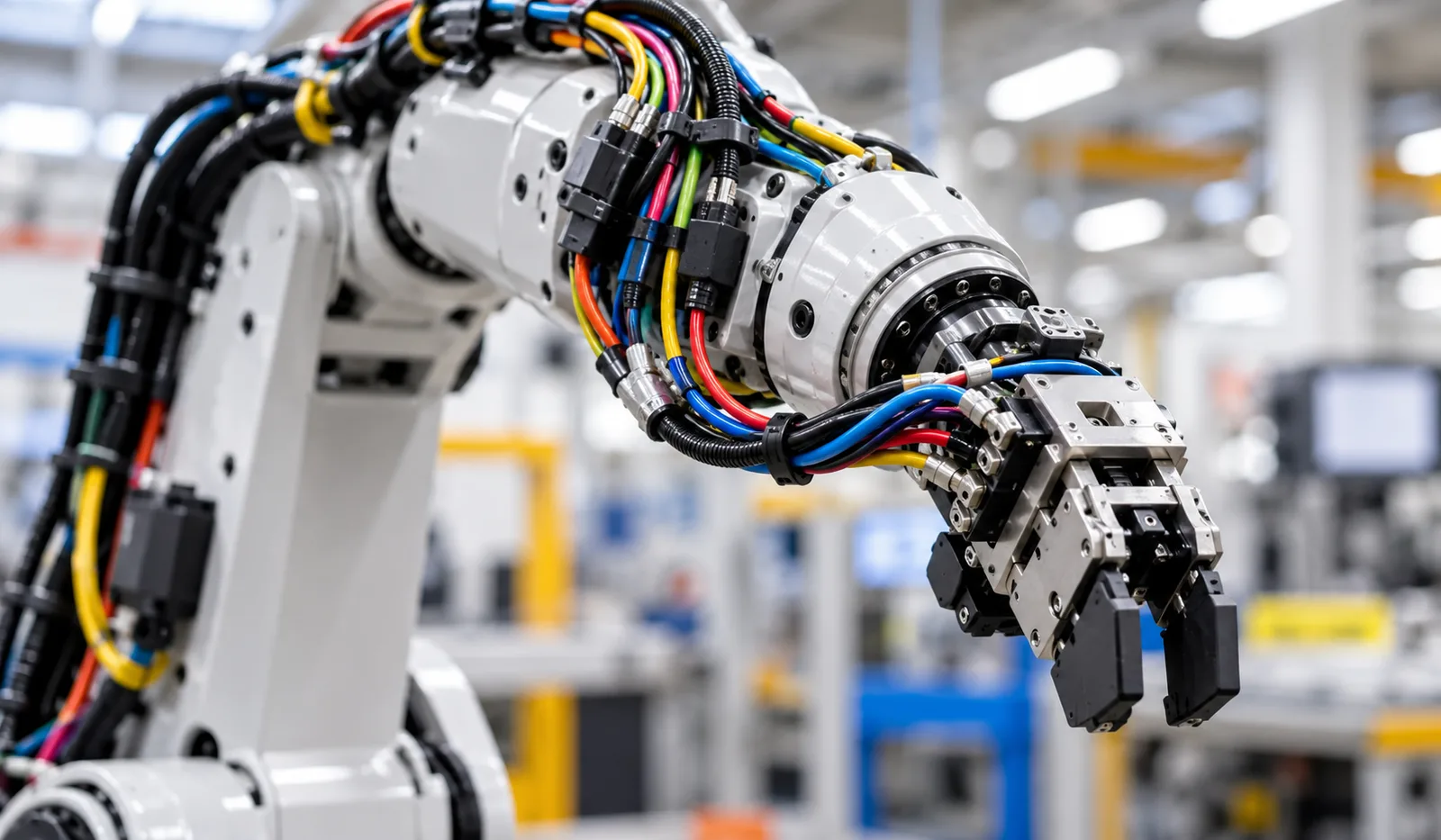
What Sets a Robotic Wiring Harness Apart
Standard cable assemblies are rarely adequate for robotics. A harness intended for a six-axis arm or a mobile platform must meet several specific criteria.
Mechanical Endurance
Robotic cables are subjected to continuous flexing and torsional stress. Manufacturers use high-strand-count copper conductors, silicone or polyurethane jackets, and strain-relief designs that survive millions of bending cycles without conductor fatigue.
Signal Integrity
Automation systems rely on precise feedback from encoders, vision systems, and torque sensors. Shielding, proper grounding, and twisted-pair construction prevent crosstalk and electromagnetic interference that could corrupt control signals.
Environmental Resistance
Welding cells, cleanrooms, and food-processing lines each present different challenges — extreme heat, chemical washdowns, or particulate contamination. The best harness builders offer a range of jacketing materials such as TPE, PUR, and PTFE to match the operating environment.
Modularity and Serviceability
Downtime is expensive. Quick-disconnect connectors, daisy-chain topologies, and color-coded conductors simplify installation and replacement. Manufacturers that design for modularity reduce mean time to repair.
Ten Manufacturers Leading the Robotics Wiring Segment
The following companies are recognized for their engineering capability, quality certifications, and track record in supplying automation projects worldwide.
1. Cloom Tech Headquartered in Medley, Florida, Cloom Tech delivers custom cable assemblies and wiring harnesses for automotive, medical device, aerospace, and robotics clients. You can explore their capabilities by visiting the robotic wiring harness manufacturer page for detailed specifications and case studies.
Email: [email protected]
Phone: ‘+1 863 434 8447
2. TE Connectivity A global leader in connectivity and sensor solutions, TE Connectivity supplies custom harnesses for industrial robots and automated guided vehicles. Their automated manufacturing processes ensure repeatable quality for high-volume programs.
3. Molex Molex offers a broad portfolio of modular cable assemblies and connectors designed for factory automation. Their Harness Design Guide helps engineers select the correct wire gauge, insulation, and connector family early in the product development cycle.
4. Amphenol Amphenol’s Industrial & Commercial division produces ruggedized cable assemblies for robotic applications in oil and gas, automotive assembly, and material handling. Their MIL-spec heritage translates into reliable performance in demanding conditions.
5. Harness Industries This Oklahoma-based manufacturer focuses exclusively on custom wire harnesses and control panels. They serve integrators who build robotic work cells for the automotive and aerospace sectors.
6. Electromech Electromech specializes in high-flex cables for pick-and-place robots, delta robots, and collaborative arms. Their test lab runs simultaneous bend, twist, and temperature cycling to validate harness life expectancy.
7. Advanced Wiring Solutions AWS provides engineering support for robotic startups and large OEMs alike. They offer rapid prototyping and low-volume pre-production runs, making them a good fit for companies iterating on new automation designs.
8. Omron Omron is best known for its controllers and safety components, but the company also supplies pre-terminated wiring packages for its own robot families. These assemblies are engineered to match the performance envelope of Omron’s hardware.
9. Fanuc Fanuc manufactures complete robotic systems and offers certified cable sets for their CRX and M-10 series. Using OEM-specified harnesses ensures compliance with safety ratings and warranty terms.
10. ABB ABB’s robotics division provides harness kits for their IRB and YuMi lines. The company also offers custom cable assembly services through its authorized integrator network for non-standard applications.
How to Evaluate a Wiring Harness Partner for Your Automation Project
Choosing from the list above depends on your specific program requirements. Start by asking three questions.
-
What certifications does the manufacturer hold? ISO 9001, UL listing, and IATF 16949 (automotive) are indicators of a mature quality system. For robotics, ISO 13485 (medical) or AS9100 (aerospace) may be relevant depending on the end use.
-
Can they support your volume and lead time? Some manufacturers excel at high-volume production runs, while others are set up for quick-turn prototypes. Match their capacity to your ramp-up schedule.
-
Do they offer design assistance? The best partnerships begin early. A manufacturer that reviews your 3D model and suggests routing improvements or connector choices can save months of rework.
Outbound resources such as the Robotics Industries Association, Automation.com, and ISO 9001 provide additional technical standards and supplier directories that can help narrow your search.
Building Reliability Into Your Automation System
The wiring harness is often the last component specified and the first to cause trouble when it fails. By selecting a manufacturer that understands the mechanical, electrical, and environmental demands of robotics, you reduce unplanned downtime and simplify maintenance over the life of the equipment. Whether you are deploying a single collaborative arm or a multi-station assembly line, the ten companies listed above offer proven solutions that can be tailored to your application.