
What Is IPC/WHMA-A-620?
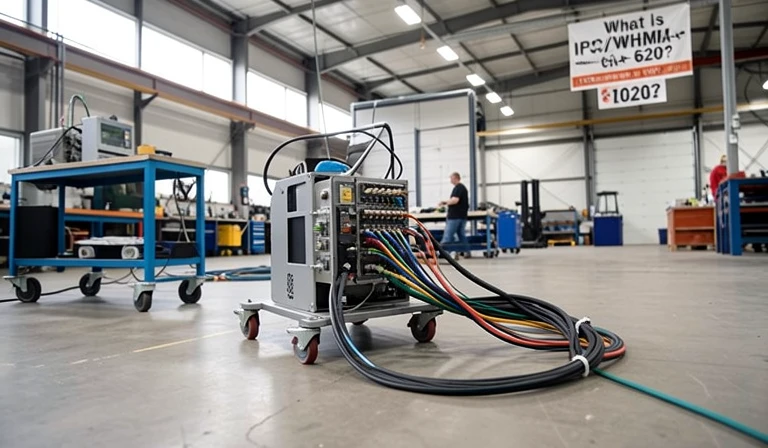
IPC/WHMA-A-620 is an industry workmanship and acceptance standard for cable and wire harness assemblies. It is not a product design manual or a blanket supplier certificate, so citing it alone does not establish that a product, factory, or company has been certified.
The standard gives manufacturers, inspectors, and buyers a common basis for assessing assembly workmanship. Its scope addresses work such as wire preparation, crimped and soldered terminations, splices, connector installation, insulation, shielding, marking, routing, securing, and finished-assembly inspection. The controlled standard contains the applicable requirements and acceptance criteria; a purchase order should reference that document instead of restating informal rules.
A-620 also needs product-specific inputs. Drawings, bills of materials, workmanship notes, test requirements, and approved deviations define what must be built for a particular harness. A supplier can follow A-620 workmanship while still needing clear instructions for wire type, connector selection, circuit layout, dimensions, labeling, and electrical performance.
Buyers should therefore treat A-620 as one part of the purchasing package. Consult the Wire Harness Manufacturers Association for authoritative information connected with the standard, then ensure that the contract identifies the required edition, class, documentation, and inspection scope.
What Do Class 1, 2 and 3 Mean?
Classes 1, 2, and 3 reflect different performance and continued-service expectations for the finished assembly. Class 1 covers general products, Class 2 covers dedicated-service products, and Class 3 covers high-performance products where continued operation is critical.
The buyer should select and state the applicable class on the drawing, specification, or purchase order. Class 3 is not automatically the right choice for every harness, and the classes are not a general ranking of suppliers. The correct class follows the product’s intended use, risk, service environment, and contractual requirements.
Do not infer an A-620 class from a different standard. For example, a claim involving an IPC-A-610 class does not by itself demonstrate capability or acceptance under the corresponding A-620 class. Ask the supplier to confirm the class against the actual harness documentation before quoting and again before production.
What Does IPC/WHMA-A-620E Change?
The revision letter identifies a specific edition of IPC/WHMA-A-620, with A-620E recorded as the current revision in the project information used for this article. Procurement documents should name the exact revision in force for the project because an unqualified reference to A-620 does not say which edition governs.
A revision can affect the controlled requirements, terminology, illustrations, or supporting material, but buyers should not rely on an uncontrolled summary to determine what changed. Obtain the official edition and revision information directly from IPC, and verify the current revision before issuing an order.
For an existing program, first check the edition named in the approved drawing, customer specification, contract, and purchase order. If those documents do not agree, resolve the conflict in writing before production. Do not assume that a supplier may substitute A-620E for an earlier contract edition, or that an older qualification automatically transfers to a later edition.
A practical revision review should record the governing edition, the documents affected, who approved any change, and the effective point for purchasing and production. Any transition rule must come from the applicable controlled documents and contract, not from the revision letter alone.
What Is the IPC/WHMA-A-620 Space Addendum?
The IPC/WHMA-A-620 space addendum provides additional requirements for space applications and is used with the base standard. A general statement that a supplier builds to A-620 does not prove compliance with the space addendum.
Space work therefore needs an explicit document set rather than a broad standards reference. The buyer should specify the base standard, the applicable addendum, the revision of each document, the required class, and any program-specific requirements in the contract.
- Applicable documents: Identify the base A-620 edition and the space addendum edition instead of writing only “per A-620.”
- Contractual flow-down: Pass the same requirements to the harness supplier and any relevant lower-tier source.
- Inspection evidence: Define the records needed to show that the delivered assemblies were inspected against the specified requirements.
- Personnel and procedures: Request current evidence that the people and controlled instructions used for the work cover the contracted scope.
- Exceptions: Require deviations and nonconformances to follow the agreed approval process before acceptance.
These details should be settled before quotation because they affect process planning, evidence, and acceptance. If the addendum is introduced after work begins, the buyer and supplier must formally determine how it applies to material already purchased or assemblies already produced.
What Is the Difference Between Compliance and Certification?
A supplier can state that it builds to the A-620 workmanship standard, while certification or training evidence is a separate claim requiring defined, current documentation. Product acceptance, personnel credentials, and a company-level certification claim are different forms of evidence, so citing A-620 does not prove certification.
A buyer should test the wording of every claim. “Built to,” “personnel trained to,” and “company certified to” do not mean the same thing. Ask who or what the claim covers, which revision and class apply, who issued any credential, and whether the evidence remains current for the production location.
Acceptance also occurs against the purchasing documents for the product. Even current personnel credentials do not, by themselves, prove that a specific lot passed inspection or electrical testing. Conversely, complete lot records can support product acceptance without turning a workmanship statement into a company certification.
How Do You Verify a Supplier’s IPC/WHMA-A-620 Claim?
Verify the claim by checking the exact revision and class on the drawing or purchase order, the scope of the claim, relevant personnel credentials, controlled procedures, first-article and inspection records, calibration status, crimp and electrical test evidence, nonconformance handling, and audit access. The evidence should connect the contracted requirement to the people, equipment, process, and records used for the assemblies being purchased.
- Lock the requirement: Put the agreed A-620 revision and product class in the controlled purchasing package.
- Define scope: Establish which site, production line, assembly types, and process steps the supplier’s statement covers.
- Review process control: Check approved work instructions, change control, material traceability where required, and calibration status for relevant equipment.
- Confirm personnel evidence: Review the role, scope, issuer, and validity of any training or credential claimed for operators and inspectors.
- Sample production records: Examine first-article results, inspection records, crimp evidence, electrical test results, and the connection between each record and the product or lot.
- Test exception handling: Confirm how defects, deviations, rework, and concessions are recorded, reviewed, approved, and closed.
- Preserve audit rights: Agree on access to relevant records and processes, including any contractual flow-down that affects acceptance.
On the manufacturer’s wire harness capability page, OurPCB states that its wire harness workmanship builds to IPC/WHMA-A-620. However, no A-620 certificate number, audit report, or other independent compliance evidence is published in the supplied facts, so buyers should request project-specific documentation rather than treat the statement as certification.
The company also states that its processes include cutting and stripping, crimping with crimp-force monitoring, soldering, ultrasonic wire welding, overmolding, shielding, marking, and sleeving. It states that it performs 100 percent continuity and isolation testing, hipot dielectric testing, pull testing, cross-section crimp analysis, and IEC spot testing at outgoing quality control. These manufacturer-published process and test claims can guide follow-up questions, but they do not independently prove acceptance of a particular assembly or lot.
How Should Buyers Compare A-620 Workmanship Claims?
Buyers should apply the same evidence checklist to every supplier and compare like-for-like scope. A fair ranking is not possible without comparable evidence for revision, class, training, inspection, testing, nonconformance control, and audit access.
Send the same request for evidence with the same sample harness or quotation package to each candidate. Score only documents that cover the proposed manufacturing site and current scope, and record gaps as unknown rather than assuming either compliance or failure.
Commercial factors can be evaluated after the technical baseline is consistent. Price, lead time, capacity, communication, and logistics remain relevant, but none substitutes for revision-specific workmanship and acceptance evidence. Put the selected requirements, deliverable records, approval points, and audit rights into the final contract so that the comparison criteria carry into production.